







Search Results for: Dominican Coffee
Santo Domingo Coffee: Flavor Characteristics, Historical Origins, and Regional Analysis of Dominican Specialty Beans
The Dominican Republic is located on the eastern side of the Caribbean island of Hispaniola, neighboring Haiti, and has a long-standing coffee-growing tradition. Among its regions, the coffee produced in Santo Domingo and Bani is the most well-known, and is regarded as one of the representatives of the world's high-quality coffee. Dominican coffee is known for being fresh and elegant, with plump beans, pleasant acidity, and an inviting aroma. It is mostly washed-processed, preserving a purer aroma and a softer mouthfeel. The flavors of highland and lowland cultivation each have their own characteristics, and in recent years the output of specialty estates has been considered comparable to Puerto Rican and Jamaican beans. This article will give you a comprehensive understanding of Dominican specialty coffee from the perspectives of history, producing regions, processing methods, and flavor and mouthfeel. Front Street Coffee also recommends Dominican beans worth trying. [more…]
A Complete Analysis of Dominican Coffee Bean Varieties and Flavors: Characteristics of the Santo Domingo, Barahona, and Cibao Regions
The Dominican Republic is located in the heart of the Caribbean, where a mild tropical climate and rolling mountain terrain provide exceptional conditions for coffee cultivation. This article systematically reviews the overall picture of Dominican coffee from the perspectives of producing regions, variety composition, flavor characteristics, processing methods, and historical origins. Among them, Barahona in the southwest, the Cibao Valley in the north, and the Santo Domingo and Bani areas in the south all produce high-quality coffee, with Santo Domingo and Bani being the most renowned. The article also introduces the cultivation proportions of the two major varieties, Typica and Caturra, the role of washed processing in enhancing flavor, and the differences in acidity and mouthfeel between highland and lowland coffee, providing coffee enthusiasts with a reference for understanding the unique charm of this Caribbean origin. [more…]
Dominican Coffee Bean Varieties, Flavors, and Regional Grading: Analysis of the Taste Characteristics of Washed Barahona Cibao Estate
Dominican coffee is known for its fresh and elegant character, plump beans, outstanding acidity, and pleasant aroma. Its excellent flavor comes not only from varietals and soil but is also closely tied to hand sorting and washed processing. This article reviews the picking and grading, washed processing, historical introduction, climate conditions, and main producing regions of Dominican coffee, with a focus on representative origins such as Barahona and the Cibao Valley, and explains how different altitudes affect acidity and mouthfeel. At the same time, the article retains Front Street brand recommendations and product information, making it suitable for coffee enthusiasts who want a systematic understanding of the coffee style of this Caribbean island origin. [more…]
A Comprehensive Analysis of the Dominican Coffee Industry: Growing Regions, Processing Methods, and Development History
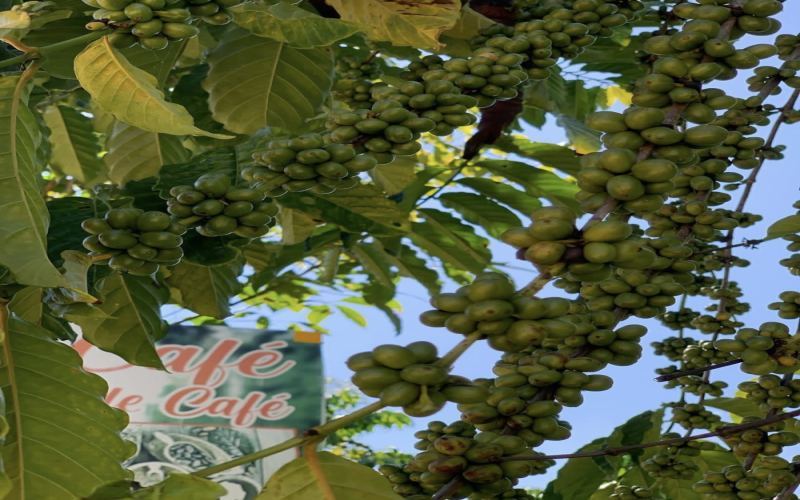
The Dominican Republic is located in the eastern part of the Caribbean island of Hispaniola, sharing the island with Haiti. Its fertile soil, abundant rainfall, and high mountain terrain have given rise to island coffee with a uniquely distinctive style. Since coffee was introduced in 1735, the country has experienced the end of slavery, the rise and fall of producing regions, price crises, and government support, gradually forming a planting structure dominated by Typica and Caturra. The five major producing regions of Barahona, Cibao, the Central Cordillera, Neyba, and Valdesia each have their own distinctive terroir, while washed processing gives the beans fresh acidity and plump density. This article will systematically review the development trajectory, regional varieties, processing methods, and current state of the industry of Dominican coffee, taking you deeper into a full picture of this Caribbean coffee-producing country. [more…]
An Analysis of the Dominican Coffee Industry: Growing Regions, Cultivated Varieties, and Island Flavor Characteristics
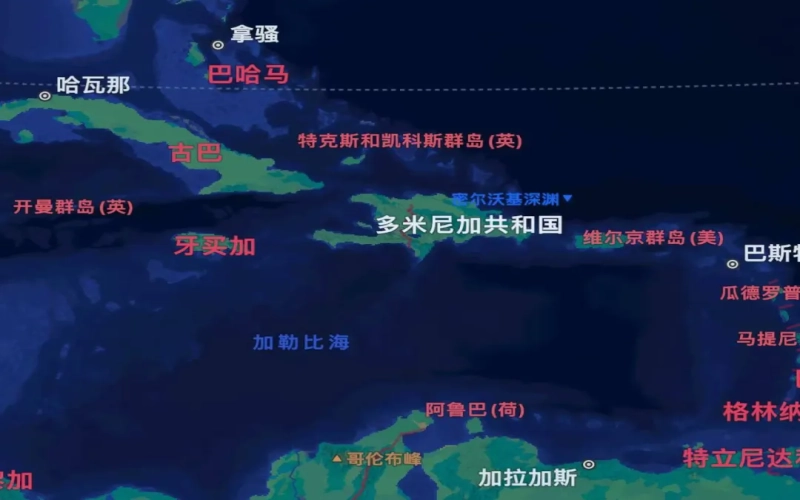
The Dominican Republic is located in the eastern part of the Caribbean island of Hispaniola, sharing the island with Haiti. It boasts fertile soil, abundant rainfall, and numerous high mountains, making it an important coffee-producing country in the Caribbean. This article will begin with its geographical location, national flag and emblem, and climate and landforms, then systematically review the elevation, variety composition, and flavor characteristics of the Dominican Republic's four major coffee-producing regions, including Barahona, Cibao, the Central Cordillera, Neiba, and Valdesia, and introduce Front Street Coffee's recommendations for Dominican coffee. Whether you are a coffee enthusiast or a professional in the industry, you can gain insight into the unique charm of this island coffee-producing country. [more…]
Caribbean Three-Origin Coffee Tasting Guide: Flavor Comparison of Jamaican Blue Mountain, Puerto Rican Yauco, and Dominican Coffee
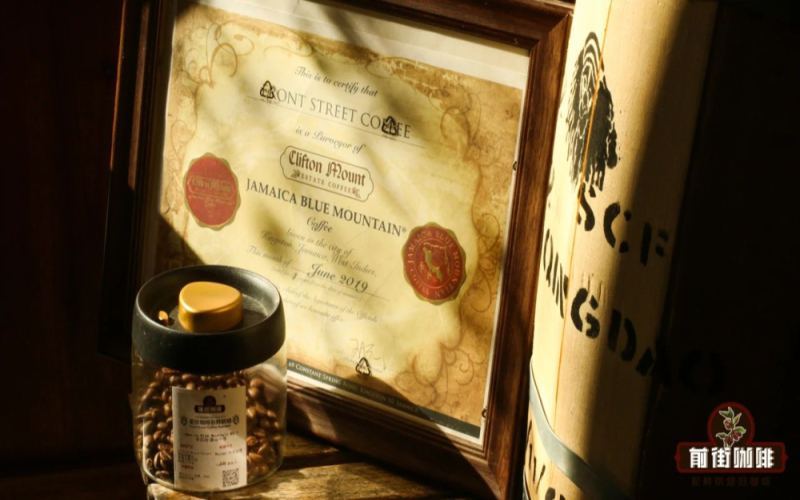
The Caribbean region has given birth to some of the world's finest coffees. Among them, Jamaica Blue Mountain stands out as the crème de la crème, thanks to its mild flavor and low acidity, and Front Street Blue Mountain No. 1 is widely recognized as a No. 1 grade with plump beans and outstanding quality. Puerto Rico's Yauco region has earned fame in Europe for its distinctive flavor, while the Dominican Republic presents diverse styles through different cultivation methods in its highlands and lowlands. The coffees of all three places are mainly Arabica and share a similar Caribbean character, yet each has its own strengths due to differences in processing methods and terroir. This article provides a complete analysis of the origin stories, grade classifications, flavor characteristics, and current market conditions of representative coffees from these three places, giving you a clear overview of the finest Caribbean coffee in one go. [more…]
A Panoramic Overview of Latin American Coffee Origins: From Brazil and Colombia to Niche Producers Like Cuba and the Dominican Republic
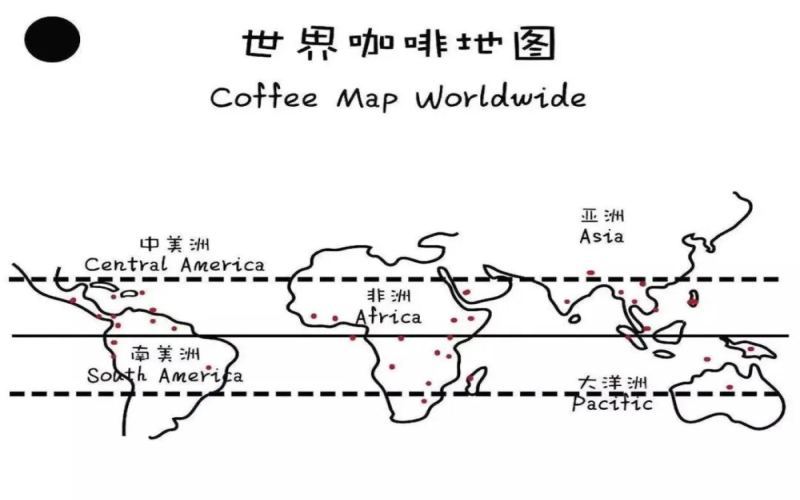
Coffee trees cannot be grown just anywhere in the world. They only grow in a narrow belt between the Tropic of Cancer and the Tropic of Capricorn, commonly known as the "Coffee Belt." This golden growing belt nurtures three major coffee-producing regions—Latin America, Asia-Pacific, and Africa. Among them, Latin America covers Mexico, Central America, the West Indies, and South America, and is known for its balanced, rich, and full-bodied flavors. The region includes thirty-three countries and several non-independent territories. It is home to major producers such as Brazil, Colombia, Costa Rica, Guatemala, and Panama, as well as relatively niche origins such as Cuba, the Dominican Republic, Venezuela, and Hawaii in the United States. Front Street Coffee will guide you through the coffee history and current situation of these countries one by one. [more…]
A Complete Guide to Central American Coffee Regions: Flavor Profiles and Stories Behind the Signature Beans of Each Country
More than sixty countries and regions around the world produce coffee, most of them concentrated in the tropical and subtropical zones between the Tropic of Cancer and the Tropic of Capricorn, with the equator running through them. This region is known as the Coffee Belt. Among the many producing areas, Central America holds an important position. This article will take you into Central American countries such as Costa Rica, Cuba, the Dominican Republic, El Salvador, Guadeloupe, and Guatemala to learn about the flavor characteristics, cultivation history, and current development of each country's representative coffee beans. From Costa Rica's Strictly Hard Bean to Guatemala's spicy-flavored coffee, from El Salvador's Pacamara hybrid variety to Cuba's Turquino grade, every cup carries a story of terroir and human culture. Front Street Coffee will also recommend selected beans worth trying. [more…]
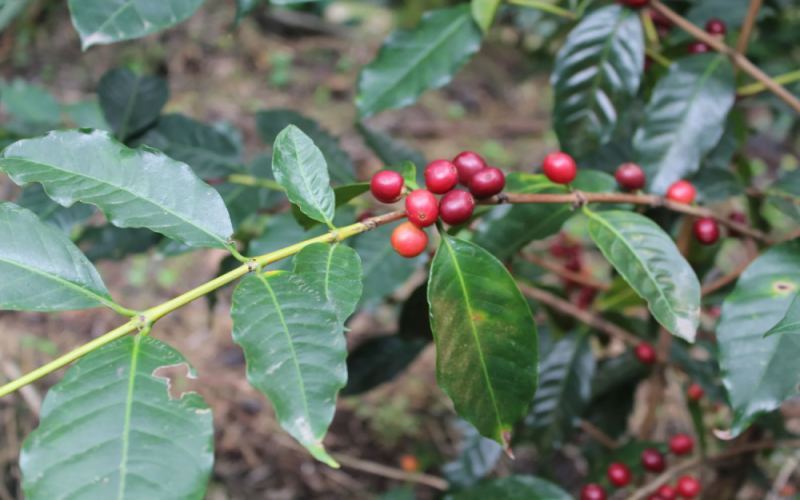
Typica and Its Derived Varieties: The Origins and Characteristics of Carripe, New World, and POP 3303/21
Typica is a variety of pivotal importance in the genetic history of Arabica coffee. Although it has low yields and is susceptible to diseases, it is renowned for its outstanding quality. In the 1940s, it was widespread across Central and South America, but later gradually replaced due to various shortcomings. Today, it continues to be cultivated only in places such as Peru, Jamaica, and the Dominican Republic, and has given rise to distinctive varieties such as Caripel, New World, and POP3303/21. This article will trace Typica's spread and decline, introduce one by one the origins, breeding processes, and cultivation performance of these derived varieties, and finally present the brewing experience of Typica from Elida Estate, which Front Street Coffee has obtained, for the reference of coffee enthusiasts. [more…]
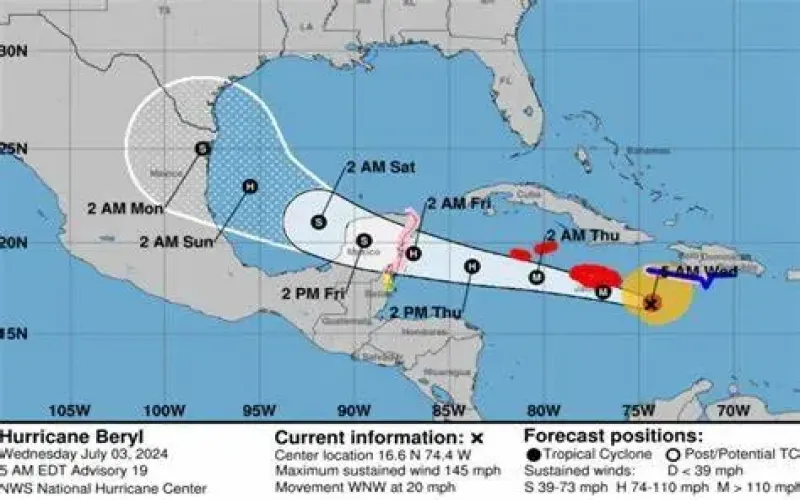
The Atlantic hurricane season is unusually active, and coffee-producing regions in Central America face a dual test of output and exports.
The 2024 Atlantic hurricane season was predicted by NOAA to be "extraordinary," with risk reaching up to three times the usual level. The first hurricane of the season, Beryl, intensified to Category 5 in July, devastating the Caribbean region, with the coffee industries of Jamaica, Haiti, the Dominican Republic, and other areas facing direct threats. Although Mexico's main coffee-producing regions are located in the south and the hurricane's path skewed northward, infrastructure damage and shipping disruptions could still indirectly affect the entire Central American coffee supply chain. Looking back at the devastation caused by Eta and Iota in 2020, the impact of hurricane season on the coffee flowering and harvest periods is especially lethal and may further exacerbate fluctuations in international coffee prices. [more…]
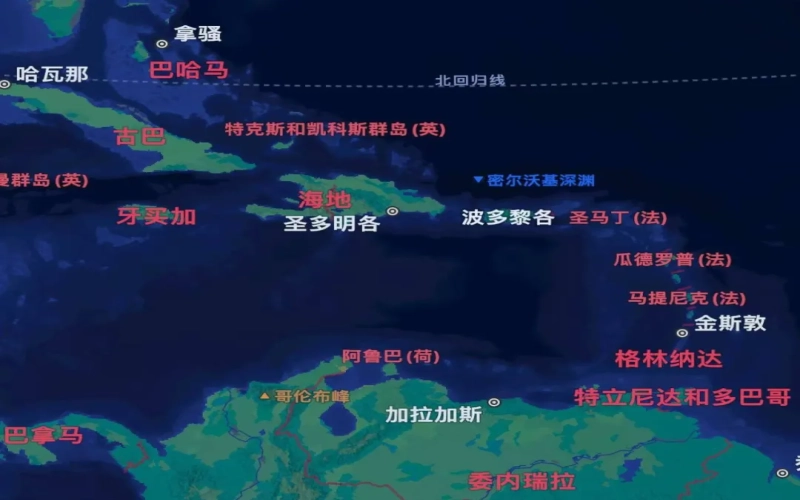
Puerto Rican Coffee: A Complete Analysis of the Planting History and Varieties of the U.S. Autonomous Territory's Caribbean Island Nation
Among the many coffee-growing islands in the Caribbean, Puerto Rico is a special case—it is not an independent country but a self-governing territory of the United States. This island, located in the eastern Greater Antilles, has a central mountain range running through it, volcanic terrain, and a tropical rainforest climate. Coffee cultivation was introduced by Spanish colonists as early as the 18th century. By the late 19th century, production reached 30 million pounds, ranking it among the world's top seven coffee-producing countries. Since then, due to the U.S. takeover, rising costs, typhoon damage, and competition from Brazil, the industry has gone through repeated ups and downs, and in 2017 two hurricanes destroyed nearly 90% of the plants. Today, Puerto Rican coffee is gradually recovering, with particularly outstanding quality in the Yauco area. About 4,000 coffee farmers on the island produce 3 million pounds of green beans annually, with varieties including Arabica, Robusta, and Liberica, and processing methods expanding from traditional washed and natural to experimental techniques. This article will guide you through this turbulent history and the current state of its varieties. [more…]
Flavor Characteristics of Major Coffee Regions Around the World: A Guide to Tasting Profiles and Mouthfeel from Africa to the Americas
Even different plots within the same estate can produce coffees with distinct flavors, let alone major regions spanning continents. The three great specialty coffee belts—Asia, Africa, and Central & South America—nurture vastly different flavor profile characteristics due to terroir differences: Ethiopia's floral and citrus notes, Indonesia's rich herbal undertones, and Central America's balanced chocolate character, each with its own following. Before deciding to put a coffee on the shelf, Front Street Coffee repeatedly roasts and cups samples from each region, selecting the most representative lots before recommending them to consumers. This article systematically organizes the flavor characteristics and taste descriptions of major coffee-producing countries worldwide, covering Ethiopia and Kenya in Africa; Indonesia and India in Asia; Guatemala, Costa Rica, and Panama in Central America; and Colombia and Brazil in South America, providing coffee lovers with a complete flavor profile reference. [more…]
How to Describe Coffee Flavors? A Comprehensive Analysis of Flavor Characteristics of Major Coffee-Producing Countries and Regions Worldwide
Even coffee from different plots within the same estate can vary in flavor, let alone regions spanning different countries. The three major specialty coffee regions—Asia, Africa, and the Americas—each display distinctly different regional characteristics due to their unique terroir. Ethiopia's floral and citrus notes and the rich, full-bodied character of Asian coffees each have their own following. When recommending single-origin beans to customers, Front Street Coffee matches them based on taste preferences—those who prefer acidity can choose Front Street Kenya Small Tomato or Front Street Yirgacheffe, while those who enjoy a full-bodied cup can try Front Street Jamaica Blue Mountain or Front Street Golden Mandheling. Front Street currently offers more than 200 specialty coffee beans, and every bean has undergone repeated roasting tests and cupping screenings, only being recommended to consumers after confirming it is representative of its region. The following content is a coffee flavor guide compiled by Front Street after multiple rounds of roasting and cupping of common coffee regions around the world. [more…]

Tanzania Kilimanjaro AA Coffee Beans: A Complete Guide to the Typica Variety, Washed Processing, and Pour-Over Flavor Profile
Located in East Africa, Tanzania is blessed with the superior natural conditions of the Kilimanjaro volcanic region, which nurtures Arabica coffee of outstanding quality. This article focuses on Front Street's Tanzania Kilimanjaro AA coffee beans, providing a detailed introduction to the growing region's environment, the characteristics of the Typica variety, the washed processing method, and Tanzania's coffee grading standards. Front Street will also share the recommended pour-over parameters for this AA-grade coffee and its final cupping flavors, including berry, citrus, nutty notes and a honey-like finish, offering coffee lovers a complete reference on origin and brewing. [more…]
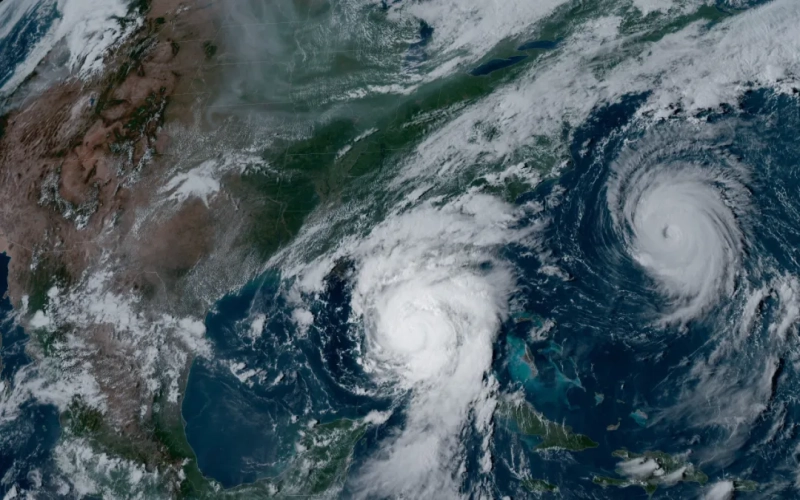
The 2024 Atlantic hurricane season is unusually active, and coffee-producing regions in Central America face dual pressures of reduced yields and exports.
The latest report from the National Oceanic and Atmospheric Administration (NOAA) shows that the 2024 Atlantic hurricane season activity could reach three times the usual level, with an 85% probability of being stronger than normal years. Warm ocean waters, reduced wind shear, and the transition from El Niño to La Niña will combine to spawn more and stronger storms. Multiple coffee-producing countries along the Gulf of Mexico, the Caribbean Sea, and the Atlantic coast—including Mexico, Cuba, Jamaica, Honduras, Nicaragua, Guatemala, and Costa Rica—may all be affected. The strong winds and heavy rain brought by hurricanes not only threaten coffee flowering and harvesting, but may also disrupt shipping, drive up transportation costs, and exacerbate coffee price fluctuations. This article reviews the hurricane season forecast data, the affected producing regions, and the potential impact on the coffee industry, for the reference of coffee enthusiasts. [more…]
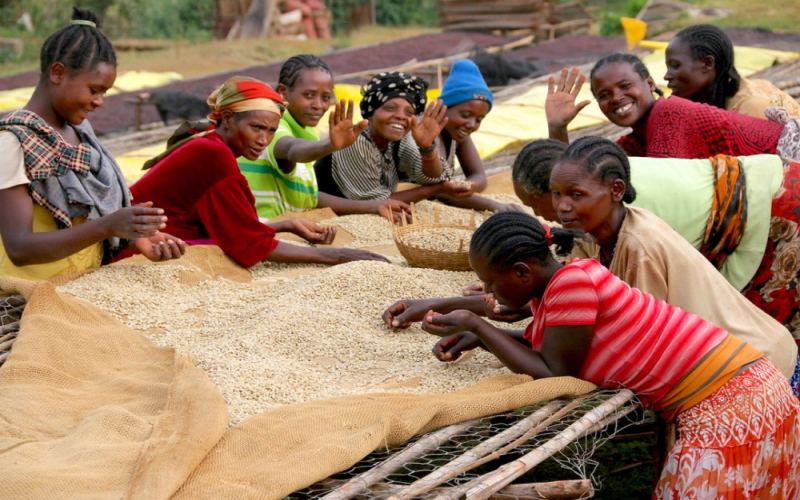
Mount Kilimanjaro in Tanzania's Coffee Region: Geography, Flavor Profile, and Washed Typica Processing
On the African coffee map, Ethiopia, Kenya, and Rwanda are often mentioned, while Tanzania also occupies an important place, known as one of Africa's coffee big three, once given the name "coffee gentleman" by Europeans. This article will outline Tanzania's geographical and climatic conditions, explain how coffee was introduced and developed into a cash crop, focus on the altitude, soil, and water advantages of the Kilimanjaro region, analyze the characteristics of the Typica variety, and the washed processing method. At the end, it includes the region, altitude, variety, processing method, and brewing parameters of FrontStreet Coffee's Kilimanjaro coffee beans for coffee lovers' reference. [more…]
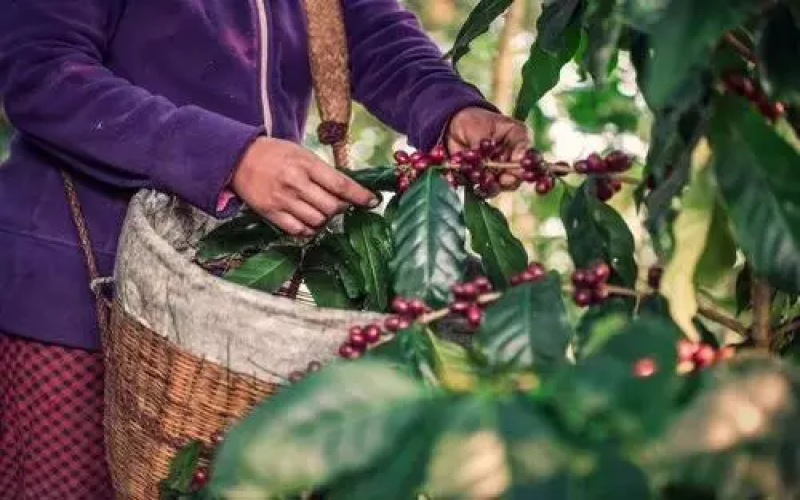
Under the dual impact of climate shocks and market downturn, El Salvador's coffee export volume and value have plummeted, with Chinese demand emerging as a potential bright spot.
Due to a combination of extreme weather, falling coffee futures prices and labor shortages, El Salvador's coffee bean export volume and export value both fell sharply in the first four months of the 2023/24 harvest season. According to a report by the Salvadoran Coffee Institute, export volume fell by nearly 47% year-on-year, export value dropped by more than 50%, and in January alone export value plunged by more than 90%. The United States remains the largest buyer, but Italy, Saudi Arabia and other countries follow closely behind in share. The decline in production is directly related to drought and extreme rainfall caused by the El Niño phenomenon. At the same time, El Salvador's coffee exports to China are on the rise, with 13 trading companies having completed registration in China, and the industry is optimistic about the potential of the Chinese market. Front Street Coffee continues to follow developments in the producing regions and bring frontline news to enthusiasts. [more…]
A Guide to Tanzania's Kilimanjaro Coffee Region: Typica Variety Flavor and Washed Processing Analysis
Although Tanzania is not mentioned as frequently as Ethiopia or Kenya, it is a force that cannot be overlooked on the African coffee map, and was once praised by Europeans as the "coffee gentleman." Its coffee is mainly produced in the Kilimanjaro Mountains and the southern region, where high altitude, volcanic soil, and pure snowmelt water together shape a style of rich body, soft acidity, and intense red wine notes. This article will guide you through the development of Tanzanian coffee, the growing conditions of the Kilimanjaro production area, the characteristics of the Typica variety, and the washed processing flow from flotation to fermentation, along with Front Street Coffee's brewing suggestions and flavor description, making it suitable for enthusiasts who want to gain a deeper understanding of African specialty coffee. [more…]
Unveiling the Origins of Cuba Crystal Mountain Coffee: Why It's Hailed as the "Blue Mountain of Cuba"
Cuban Crystal Mountain coffee is often mentioned in the same breath as Jamaican Blue Mountain, and is even called "the Blue Mountain of Cuba." Behind this title lies both a similarity in terroir and a resonance in flavor expression. This article will trace the history of coffee cultivation in Cuba, starting from the introduction of coffee to Cuba in 1748, through the push by French immigrants, the rise and fall of estates and the changes brought by nationalization, and then to the formation of the Crystal Mountain production area in the Sierra Maestra. You will learn about the harvesting and processing methods of Crystal Mountain coffee, the distribution pattern of its three major production areas, and its typical island-bean style—clean and gentle, with balanced acidity and bitterness. At the same time, Front Street Coffee will also guide you through different roast levels to experience the flavor layers of this bean. [more…]
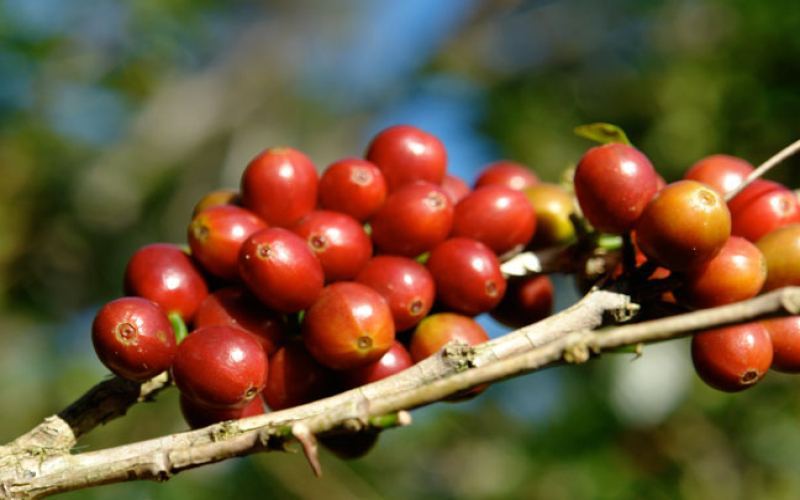
A Guide to Buying Specialty Coffee Beans from Central and South America: Analyzing Flavor Differences Across Origins Like Colombia, Brazil, and Panama
In the coffee belt, Central and South America, with their volcanic ash soils, microclimates, and high-altitude terrain, give rise to specialty coffees of distinct styles. This article begins with a geographical division, sorting out the coffee map of the seven Central American countries and the Caribbean islands, then analyzes one by one the flavor characteristics of representative producing regions such as Colombia, Guatemala, Costa Rica, Panama, El Salvador, and Brazil, and includes specific bean list recommendations from the Front Street brand, covering various processing methods such as washed, natural, and honey, to help coffee lovers find their ideal choice according to taste preference. [more…]